
The psychology of gifting: what your Black Friday strategy can learn from the Christmas aisle
I walked into B&M recently and the advent calendars were already out.
My first thought was probably the same as a lot of people's: surely we don't need to be doing Christmas yet?
But from a retail point of view, it makes complete sense. B&M doesn't need me to buy an advent calendar that day for that display to have worked.
It's reminded me that Christmas is coming.
Maybe I notice something one of the kids would like, start thinking about who I need to buy for, or walk away without buying anything at all. Either way, the seed has been planted.
And that's something ecommerce brands should be thinking about now, because gifting starts long before somebody clicks Add to Cart.
We shop differently when we're buying for someone else
When we're buying for ourselves, we know what we like and roughly what we're prepared to spend. Buying for somebody else is harder. Suddenly we're wondering whether they'll like it, whether we've spent enough, whether it feels thoughtful and whether we've chosen the right thing.
Research suggests we make this harder for ourselves than it needs to be. A study by Francesca Gino and Francis Flynn found that recipients were more appreciative of gifts they'd explicitly asked for, while the person buying tended to think that choosing something unexpected would show more thought.
It's why wishlists, customer favourites, "most wanted" collections and gift guides are so useful during Peak. They're not just another bit of navigation. They take away some of the uncertainty involved in buying for somebody else.
Look at Kylie Cosmetics. Its gifting strategy doesn't rely on adding Christmas graphics to the existing catalogue. Bestselling products are repackaged into ready-to-gift sets, products are organised into makeup and fragrance gifts, and its holiday experience has included shopping by price alongside an advent calendar.
See Kylie Cosmetics' Gift Guide
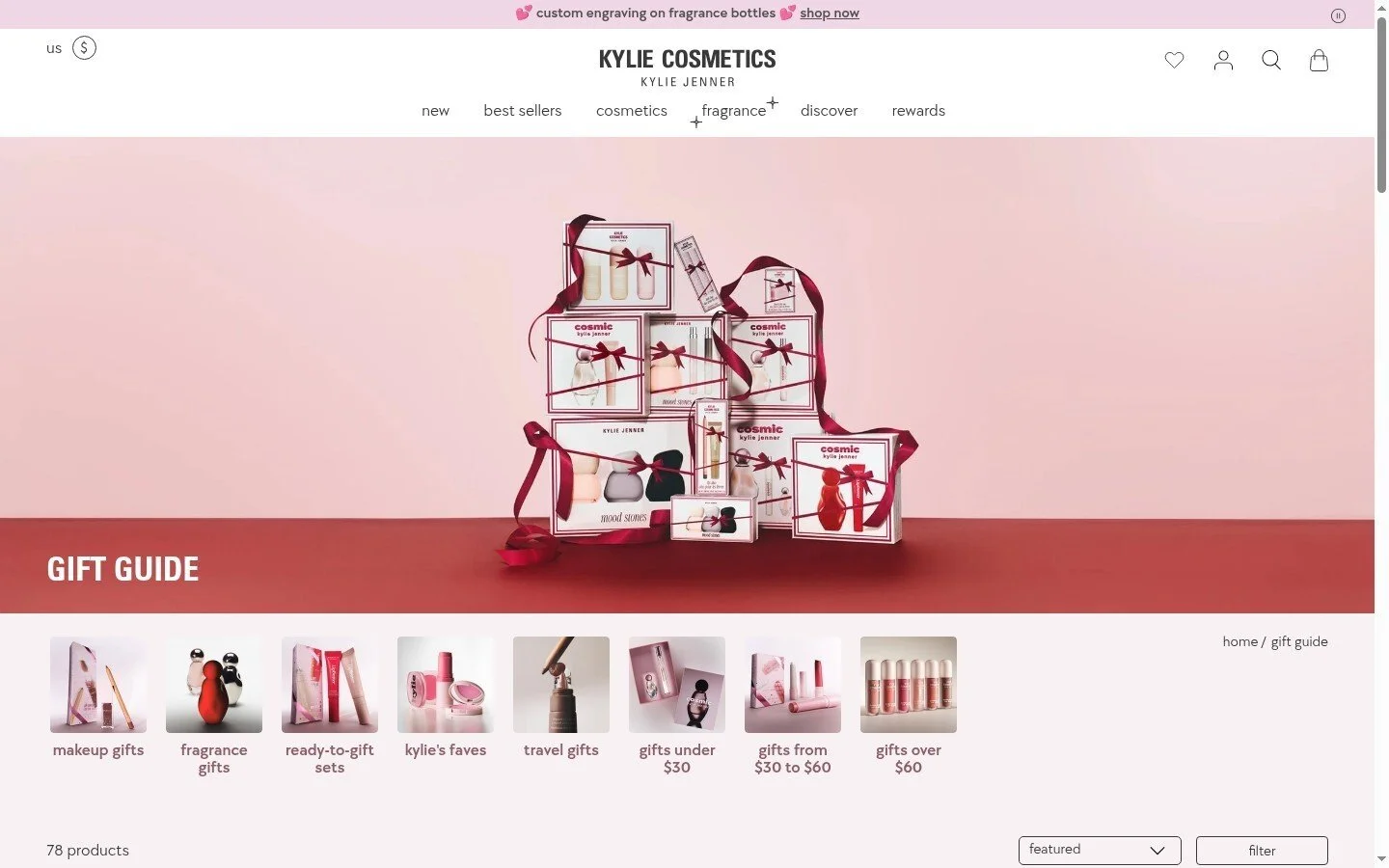
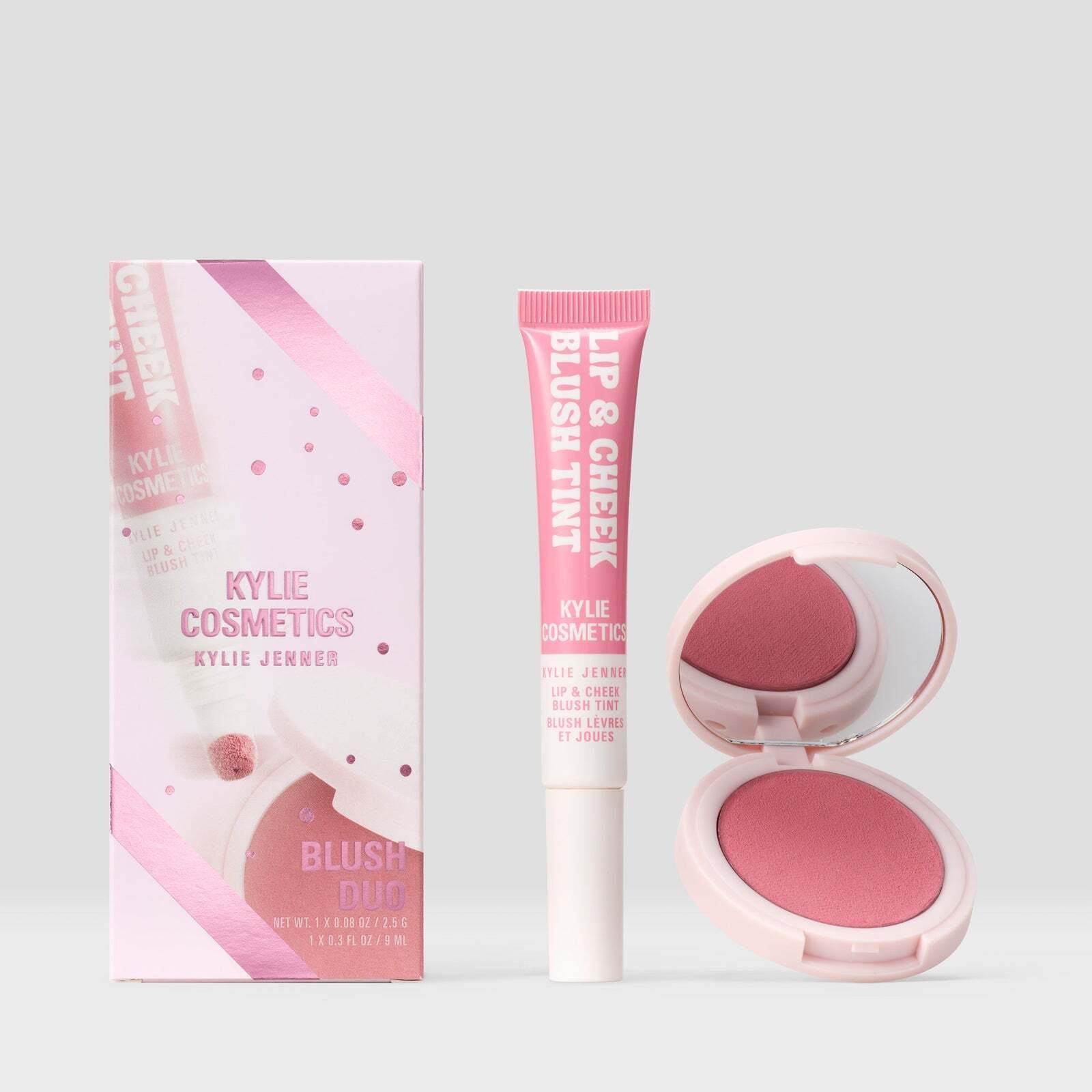
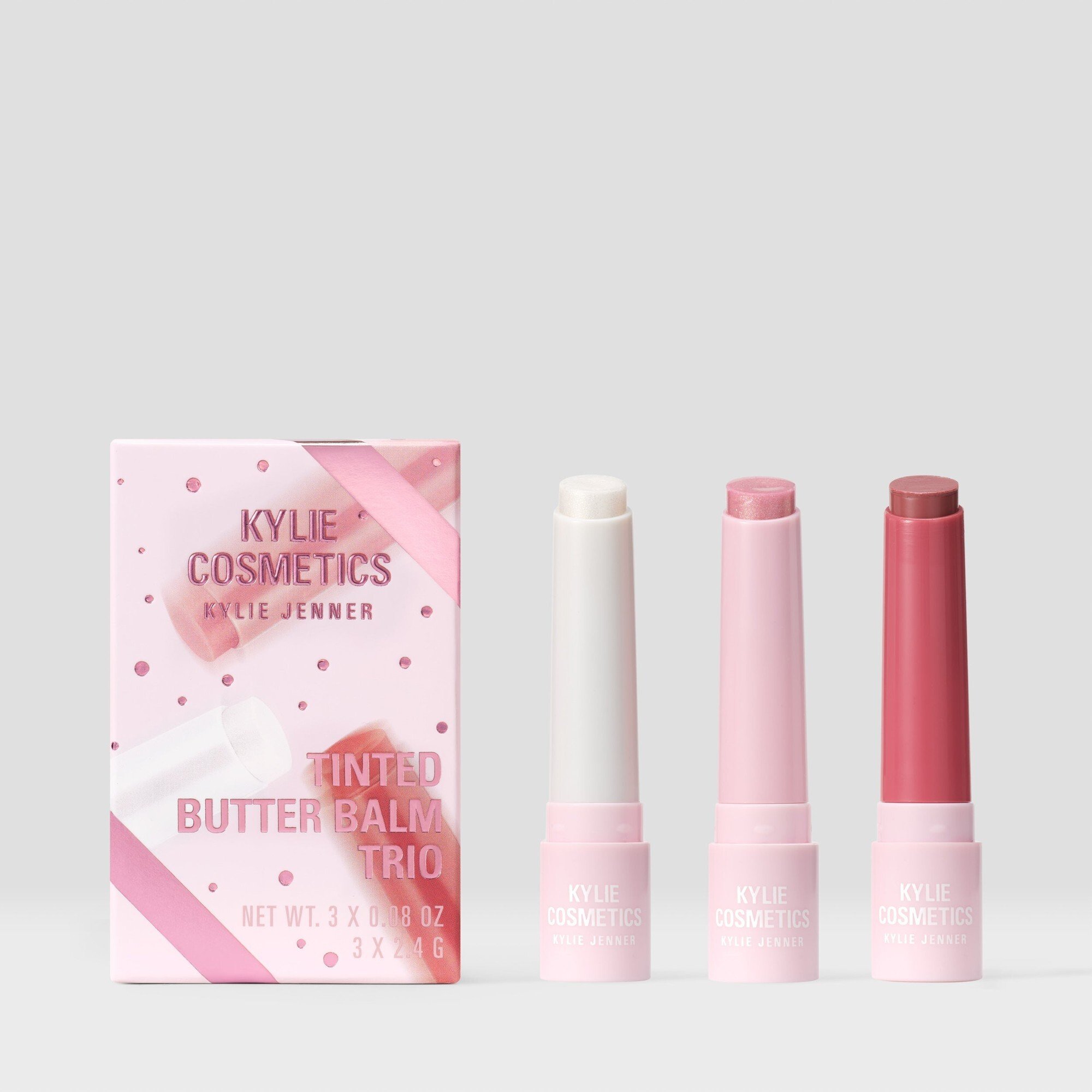
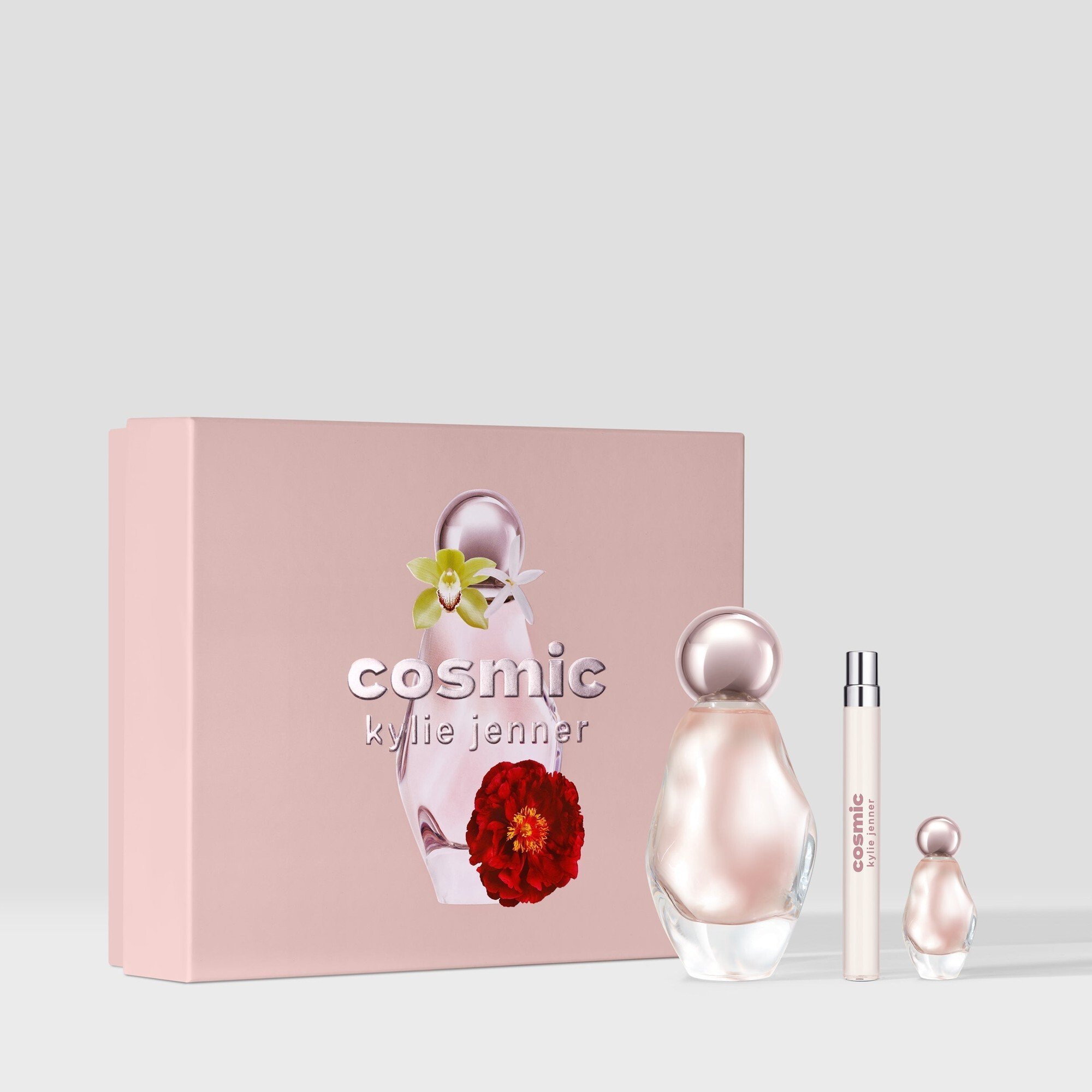
Images: Kylie Cosmetics
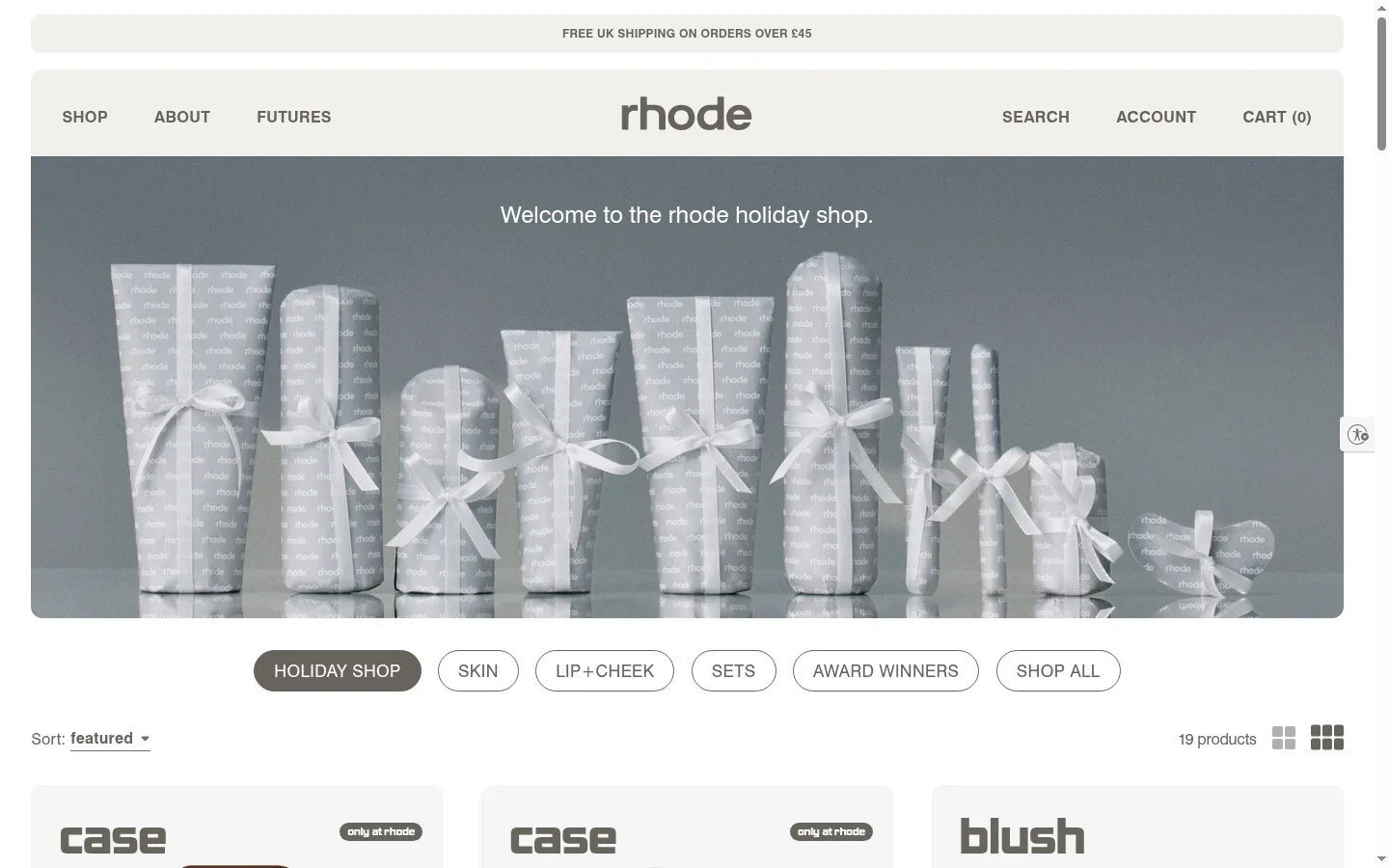
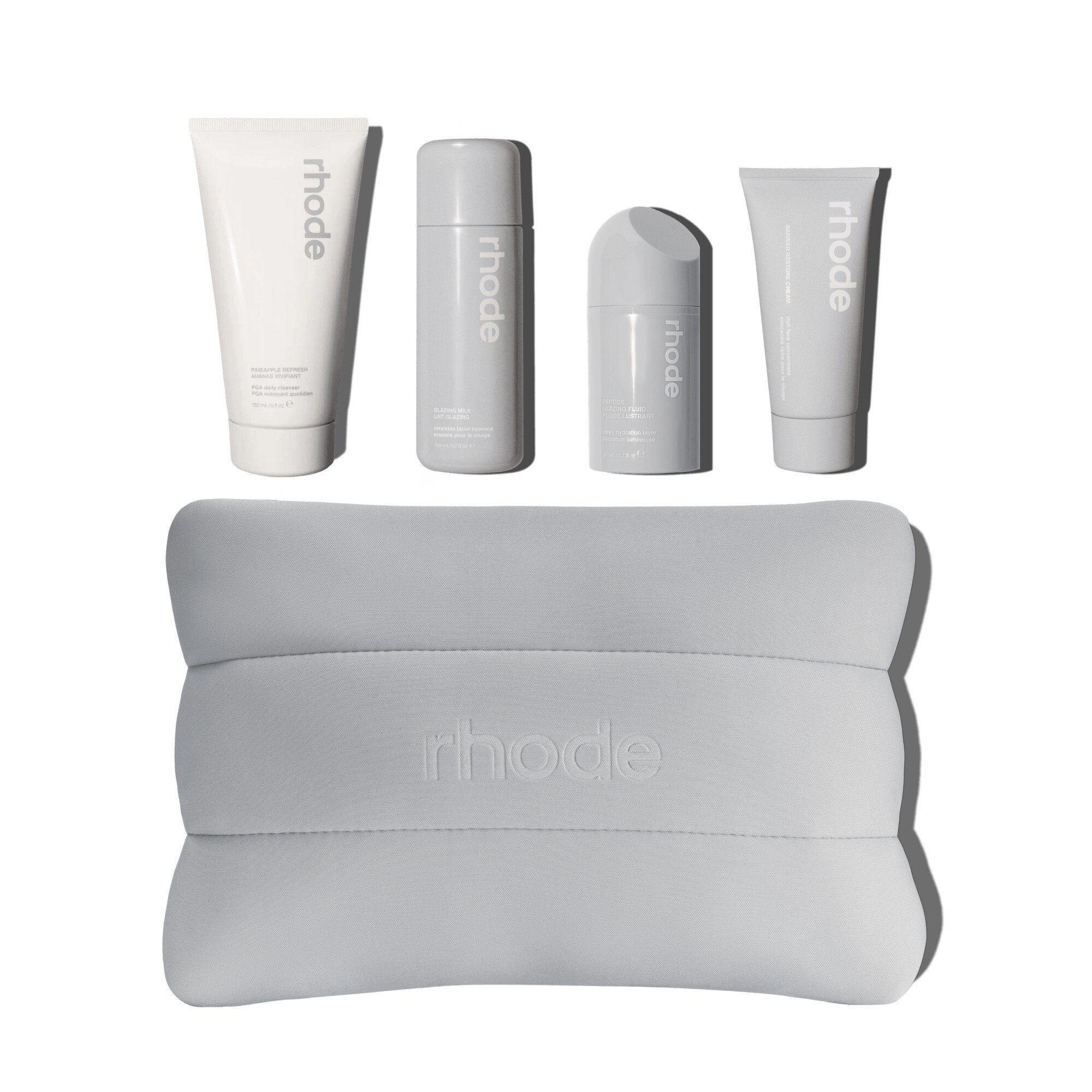
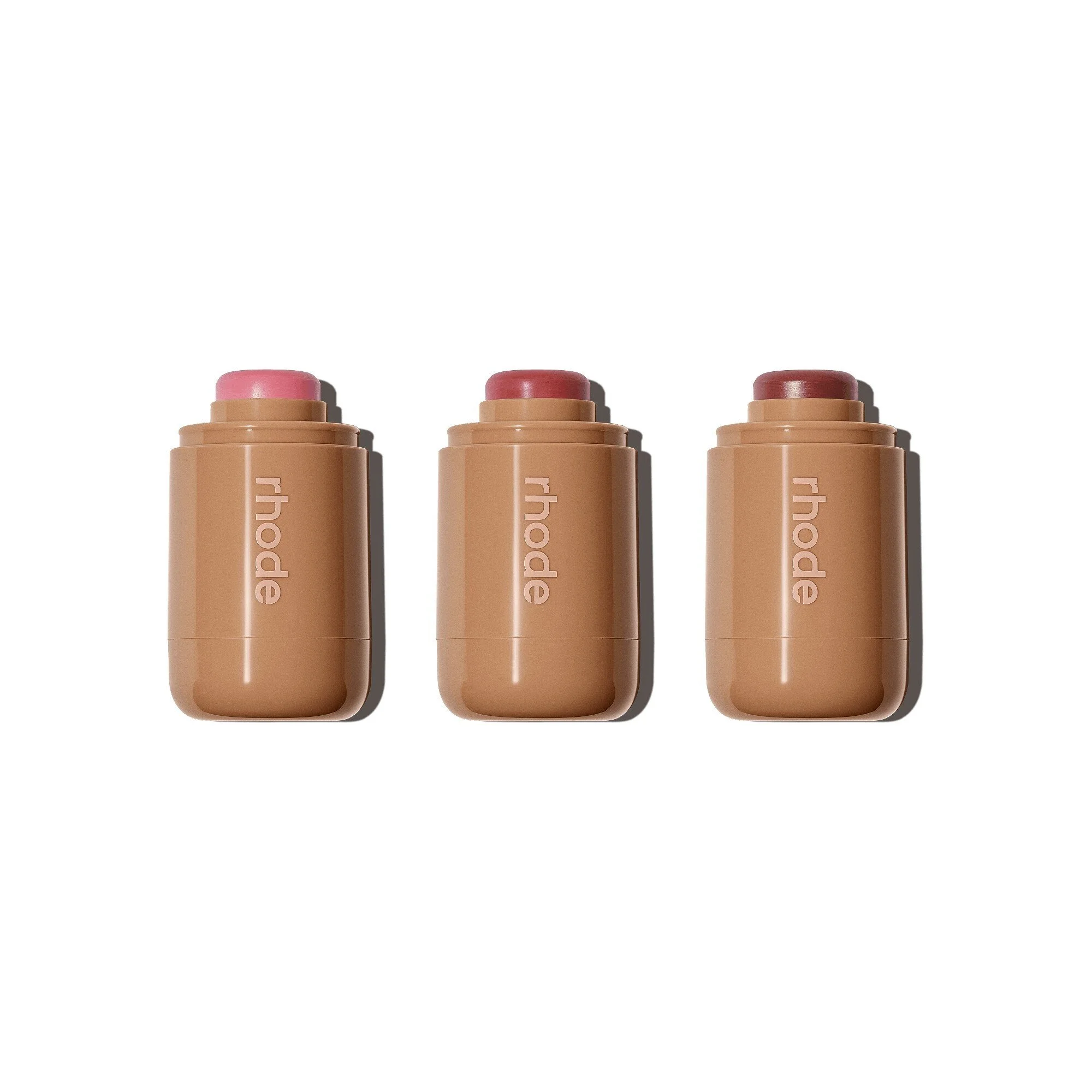
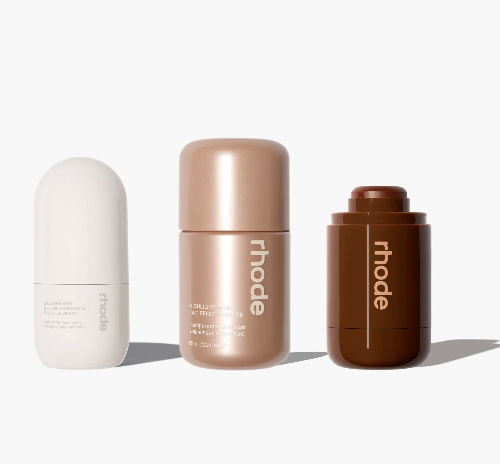
Rhode takes a similar approach. Its Holiday Shop brings together individual products alongside duos, trios and larger sets, with some letting the customer choose their own shades. So somebody can spend £20 on a Peptide Lip Treatment or £135 on a six-shade Pocket Blush Set without having to work out for themselves which products go together.
See Rhode's Holiday Shop
Images: Rhodes
That's the bit smaller brands can take from this, and it works just as well for candles, prints, food or homeware as it does for beauty. You don't necessarily need new Christmas products. Sometimes you need to change the context around the products you already have.
A candle becomes a gift under £25. Your smaller products become stocking fillers. Three bestselling products become a gift set. Your most popular products become Gifts They'll Actually Want.
The product hasn't changed. The reason for buying it has.
Value isn't always about discounting
There's another useful piece of gifting research here. Francis Flynn and Gabrielle Adams found that gift givers expected more expensive presents to be appreciated more, but recipients didn't show that same link between price and appreciation.
That matters during Black Friday, because brands can become obsessed with discounting when customers may really need help finding something that feels right.
This is where merchandising by price (Gifts Under £20, Gifts Under £50, Little Luxuries, Secret Santa) becomes useful. You're helping somebody solve the gifting problem within the budget they've already got in their head.
Then there are bundles. Glossier is good at making the value of these obvious. Its Glossier Icons set is £65 against a regular combined price of £105, and its other sets show the regular value alongside the set price.
See Glossier's sets
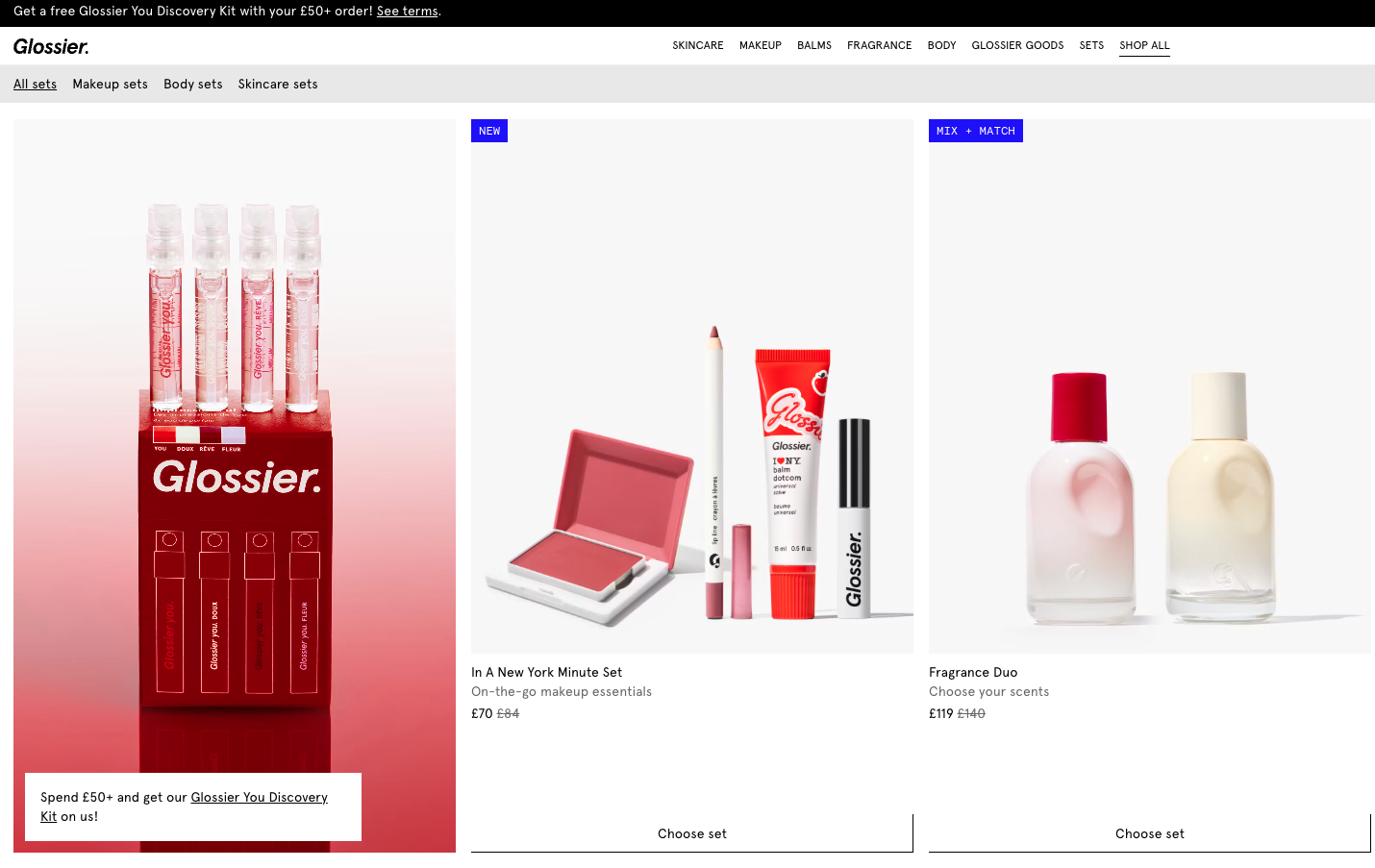
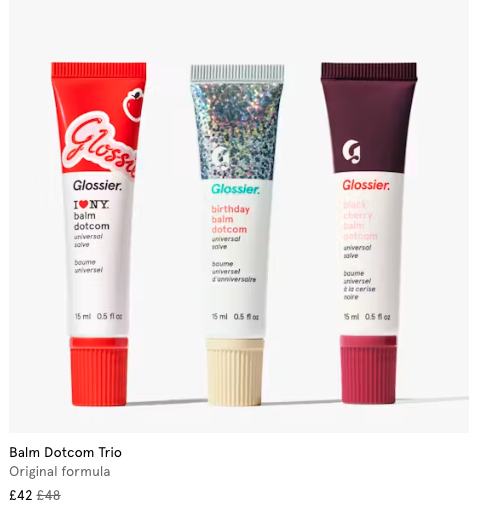
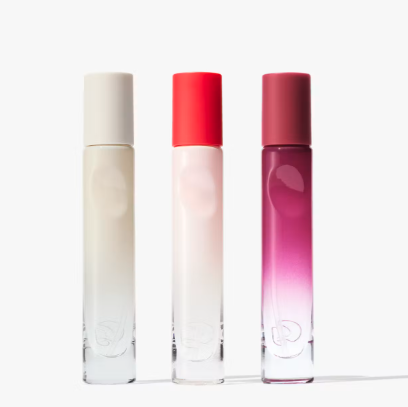
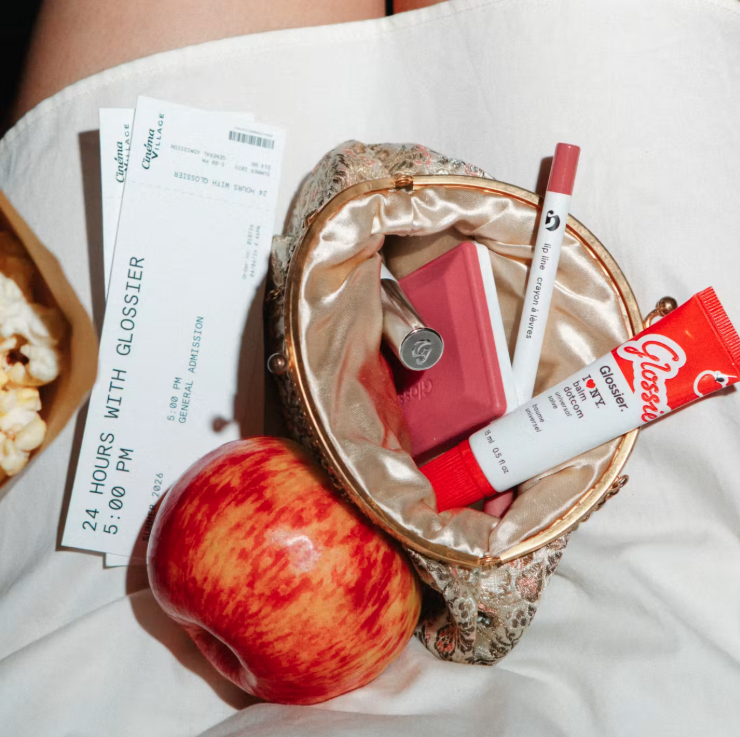
Images: Glossier
That's classic anchoring. £65 on its own is just £65. Put £105 next to it and suddenly the customer has a reference point for judging the value.
And that's where Black Friday psychology really starts to overlap with gifting.
Black Friday doesn't have to mean 20% off everything
By Black Friday, customers are already dealing with a lot of decisions, and now we're adding urgency, scarcity, social proof and incentives into the mix.
There's nothing wrong with those tactics when they're genuine. If there really are three left, tell people. If your Black Friday offer really ends at midnight, make it clear. If your last guaranteed Christmas delivery date is approaching, customers need to know.
But there are other ways to encourage the purchase too.
Could spending £60 unlock a free gift? Could you offer complimentary gift wrapping above a certain spend? Could customers build their own gift box? Could you bundle three products together and make the saving obvious?
Even something as simple as "You're £8 away from free delivery" can encourage somebody who's already shopping for several people to add another present to their basket.
On Shopify, most of this doesn't need anything fancy. Free gifts and spend thresholds can be set up with Shopify's built-in discounts, fixed bundles with the free Shopify Bundles app, and a free delivery progress bar is usually a small tweak to your cart.
The psychology is doing some of the work, but the customer is also getting something useful in return.
Start planting the seed now
Which brings me back to those advent calendars in B&M.
You don't need to turn your Shopify store into Santa's grotto in October. But you can start getting customers into the gifting mindset.
Look at your existing catalogue and think about how somebody buying a present would shop it. Introduce gift collections at different price points. Surface your bestsellers and reviews. Think about bundles, wishlists, gift cards and gift wrapping. Start talking about who a product is for, rather than only what it is.
And start testing those ideas before Black Friday, because peak isn't won in November, it's won in the months before.
Because by Black Friday everybody will be shouting about discounts. Your customer's inbox will be full, their social feeds will be full and every other website will have something ending at midnight.
The opportunity in October is to get there before all of that.
Those advent calendars in B&M might feel ridiculously early. I might walk straight past them without buying one.
But I noticed them. And now I'm thinking about Christmas.
Which means they've already done their job.
If you'd like a hand setting up gift collections, bundles or a free-gift threshold on your Shopify store before Peak, that's exactly what we do. Not an agency. An ally.