

Blog
Our blog shares ideas, insights and practical thinking from our work with growing ecommerce brands.
We write about Shopify strategy, conversion rate optimisation, ecommerce operations and the realities of scaling online businesses. Alongside practical guides and industry insights, we also share Shopify case studies from brands we’ve helped replatform, redesign and grow.
Whether you’re looking to improve your Shopify store, plan your next ecommerce move or simply think about growth differently, this is where we share what we’re learning.
CATEGORIES: All Articles | Shopify CRO | Shopify Migration | Shopify Insights | Ecommerce Growth | Shopify Case Studies
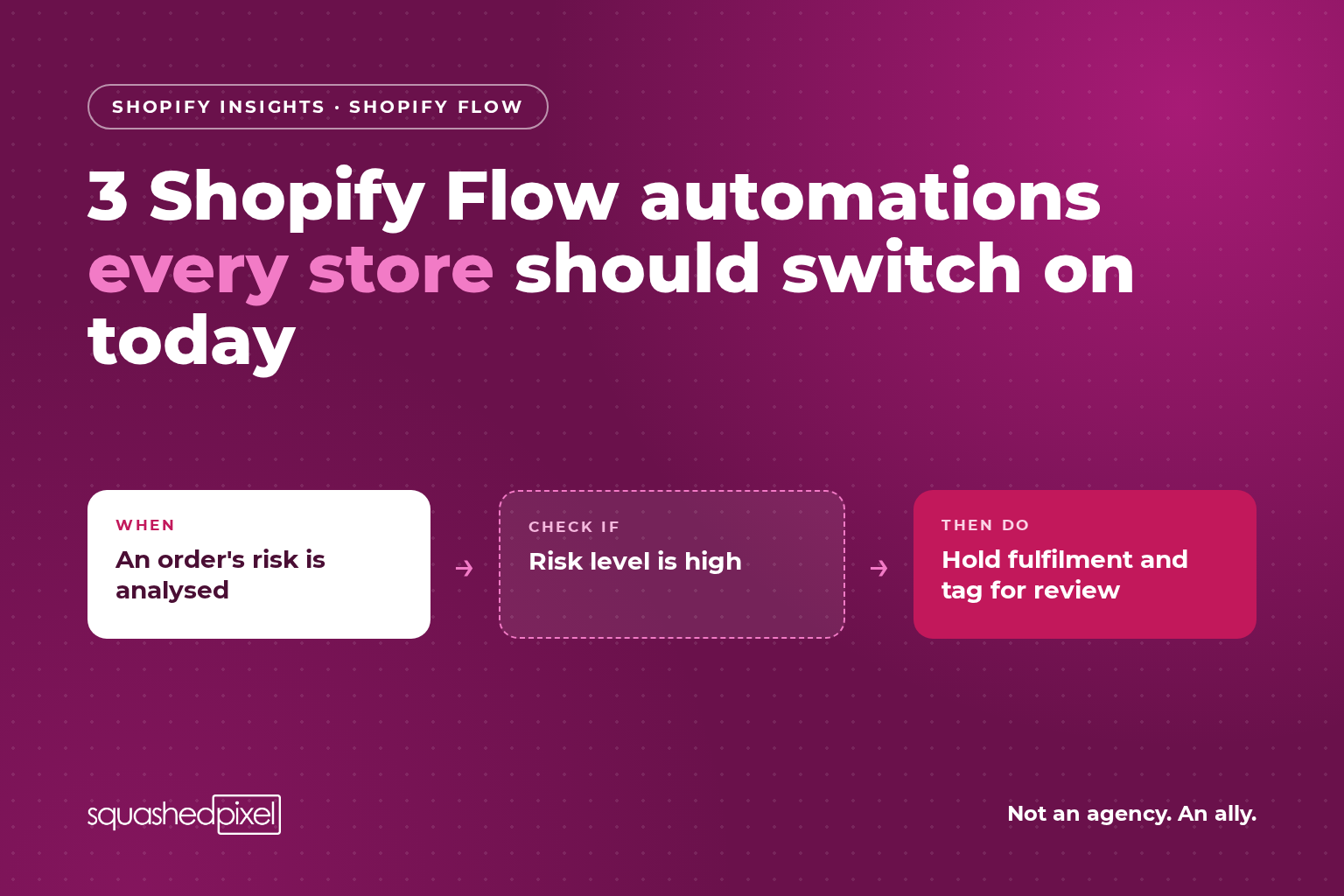
Shopify Flow: 3 automations every store should switch on today (+ 7 more in our free playbook
Shopify Flow is free on Basic, Grow, Advanced and Plus, but most brands never open it. Here are three automations we'd switch on in any store today: holding high-risk orders, low-stock alerts and VIP customer tags. Plus a free playbook with seven more.
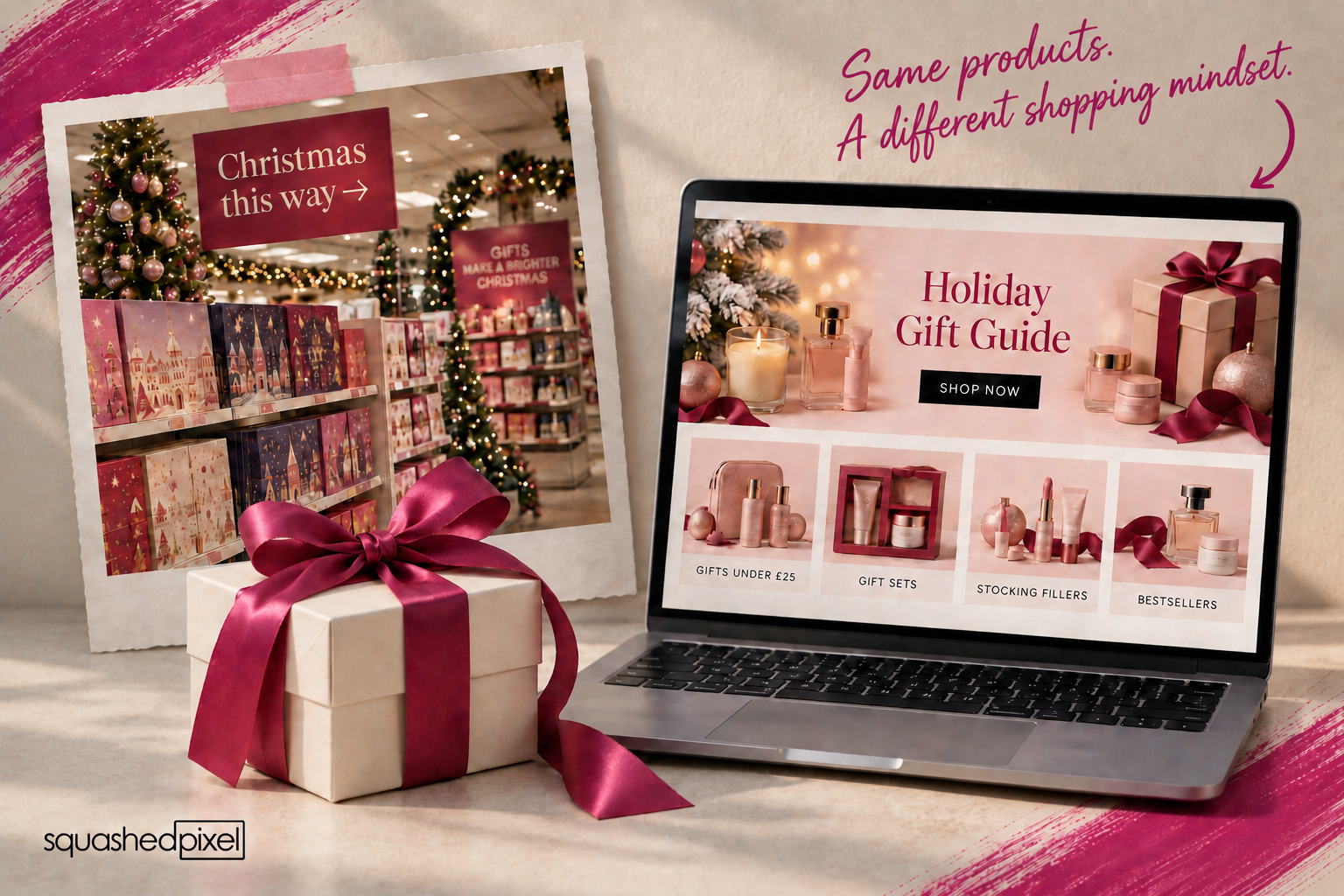
The psychology of gifting: what your Black Friday strategy can learn from the Christmas aisle
How do you get customers thinking about gifting before Black Friday even arrives? We explore the psychology behind gifting, how brands influence the way we shop for others, and the simple ways you can start planting those seeds now.
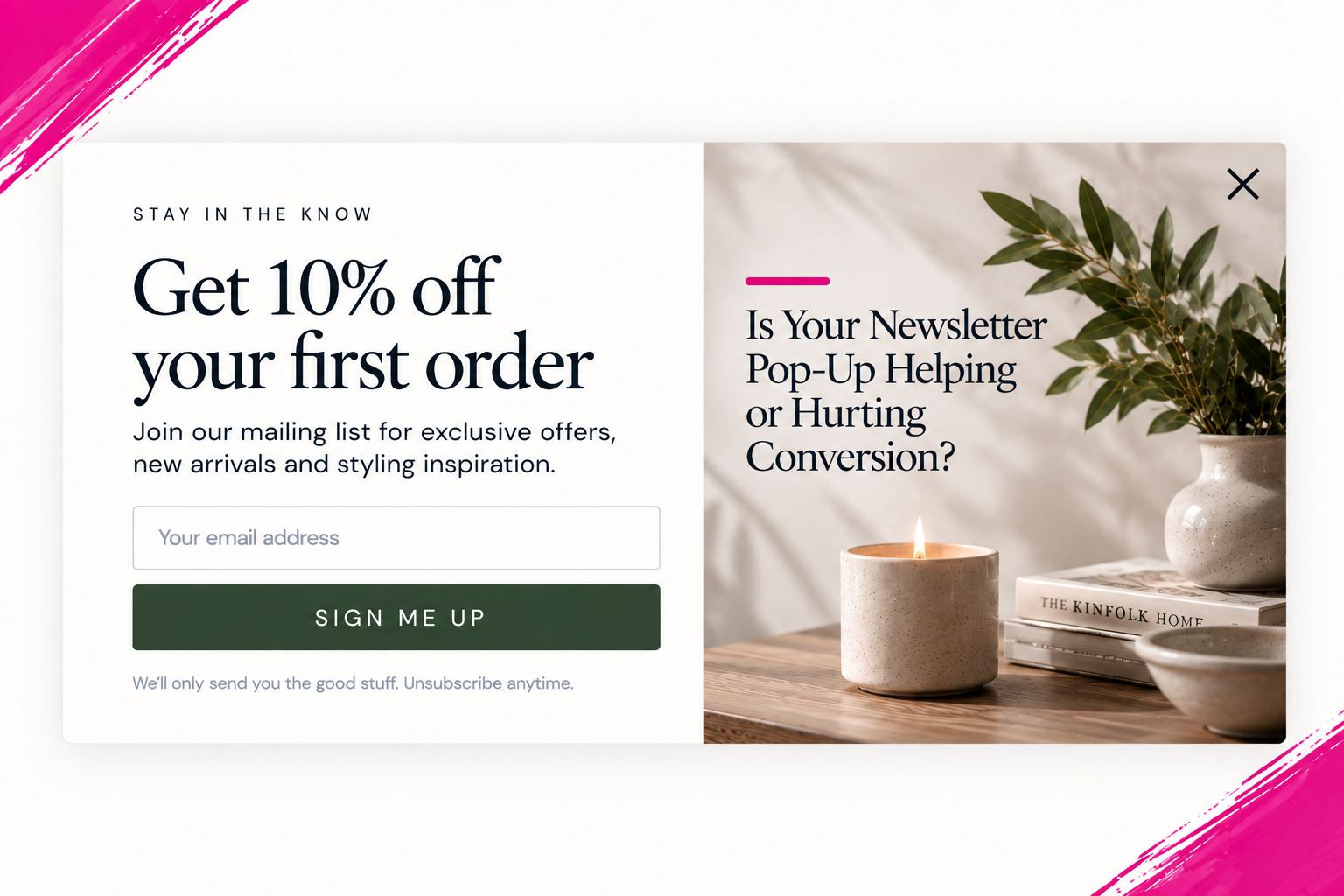
Is Your Newsletter Pop-Up Helping or Hurting Conversion?
Newsletter pop-ups are a great way to grow your email list, but could showing them too soon be hurting your Shopify store’s conversion rate? We explore what published research tells us about pop-up timing, sign-ups and customer behaviour, and what ecommerce brands should consider testing.
21 things to do to your Shopify store before Peak
Peak season is closer than it feels. Here are 21 practical things you can do to your Shopify site now to get ready for Black Friday and Christmas, from fixing your foundations in September to testing in October and selling smarter in November.
Why We Rate Zenstores
As Shopify brands grow, shipping can quickly become one of those problems nobody notices until it starts slowing everything down. We look at why we recommend Zenstores for simplifying fulfilment, automating repetitive tasks and giving growing ecommerce teams a bit more headspace.
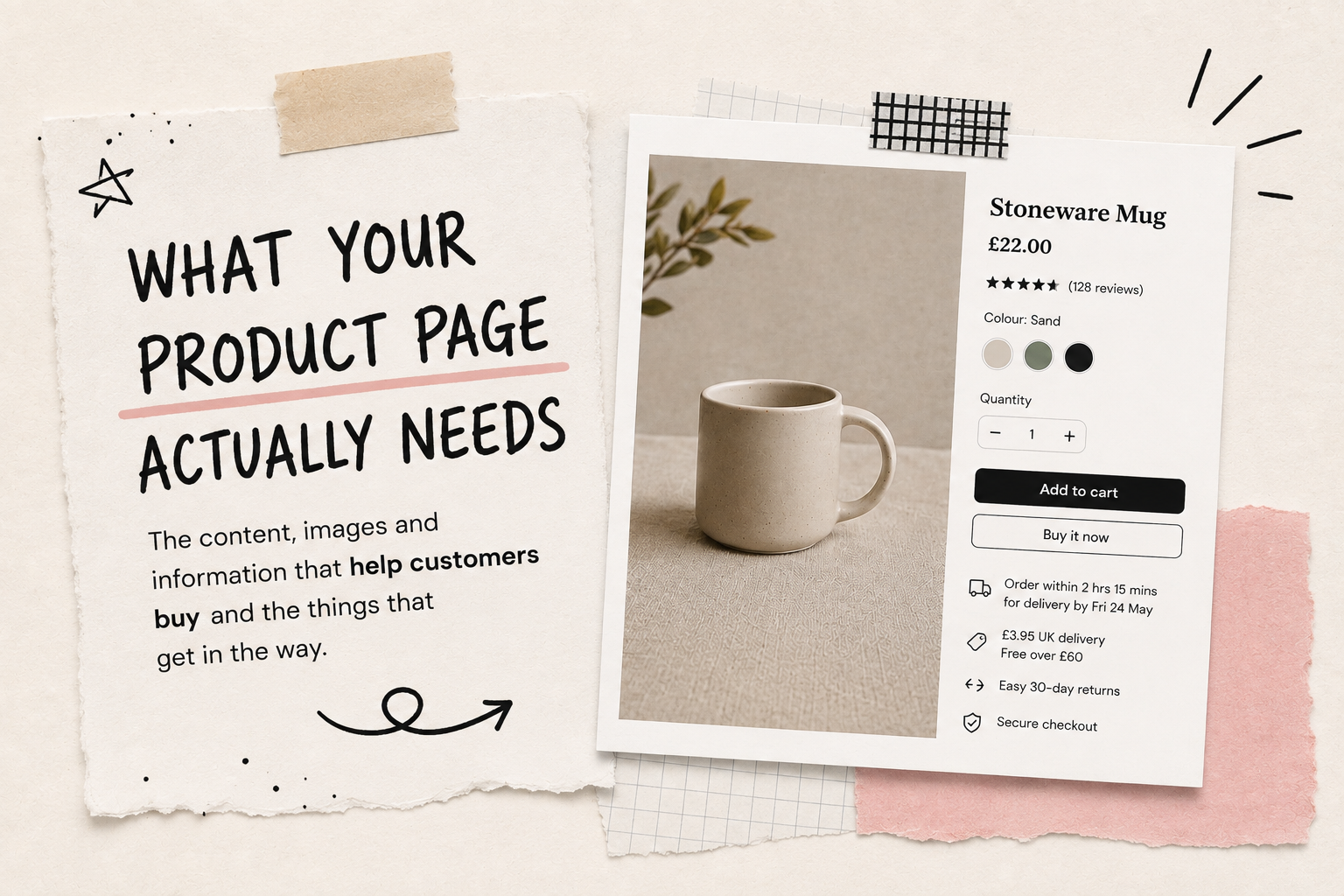
What Belongs on a Product Page (and What Doesn’t)
What does a product page actually need to turn interest into a sale? We look at the content, imagery, delivery information, reviews and trust signals that help customers make a decision, the common distractions that get in the way, and what we look for when auditing Shopify product pages.
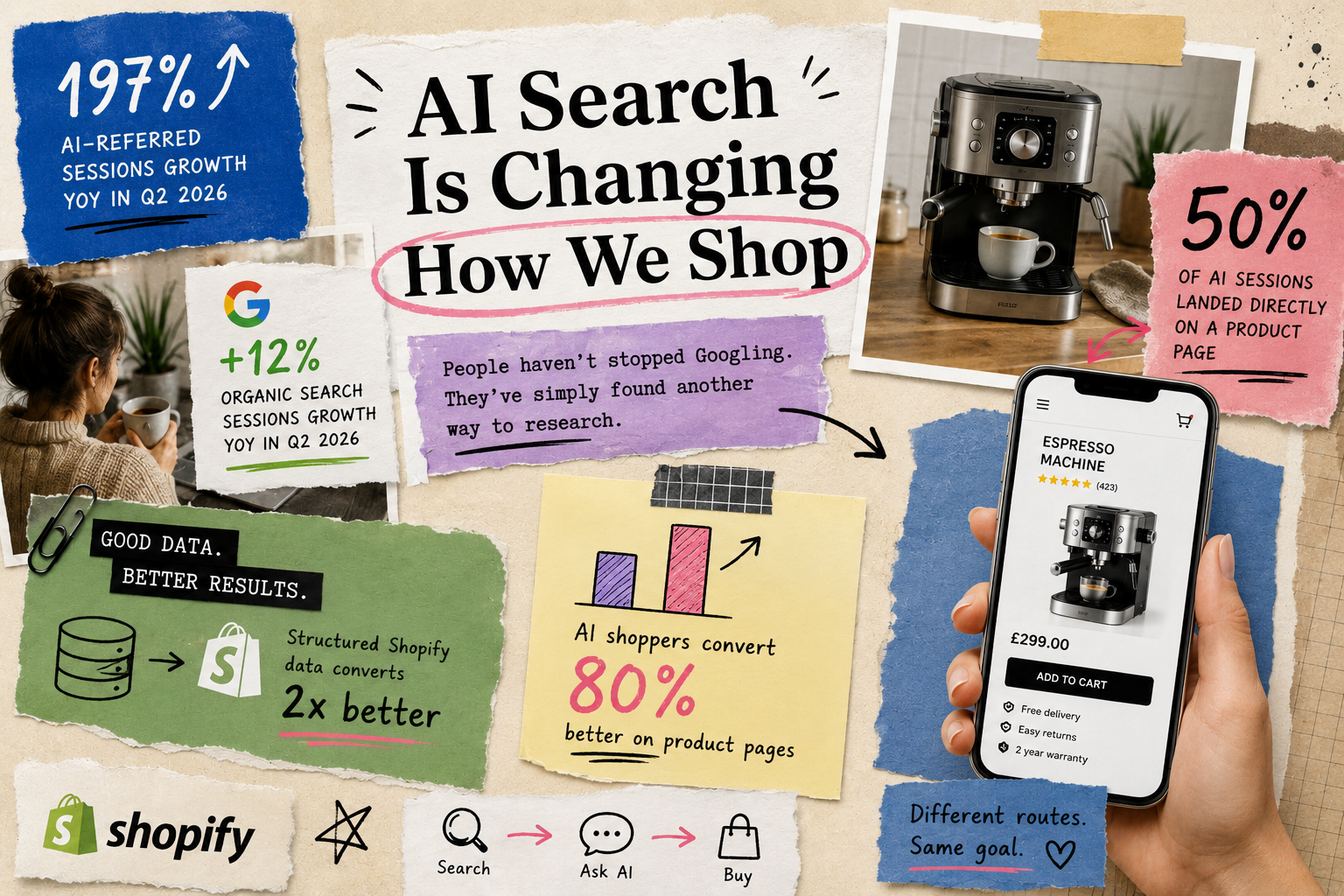
AI Search and the New Buying Journey..or is it?
Shopify’s latest data suggests AI search isn’t replacing organic search, but it is changing the way people research products before they buy. We take a look at what Shopify’s findings could mean for ecommerce brands, and why product pages, product data and the fundamentals of good SEO may matter more than ever.

Actual CRO Results: More From Your Existing Traffic
Discover how our ongoing Shopify CRO partnership with Wineware helped increase average order value by 21% and conversion rate by 12%. From UX improvements and smarter merchandising to email automation and B2B development, see how continuous optimisation is helping Wineware get more from its existing traffic.
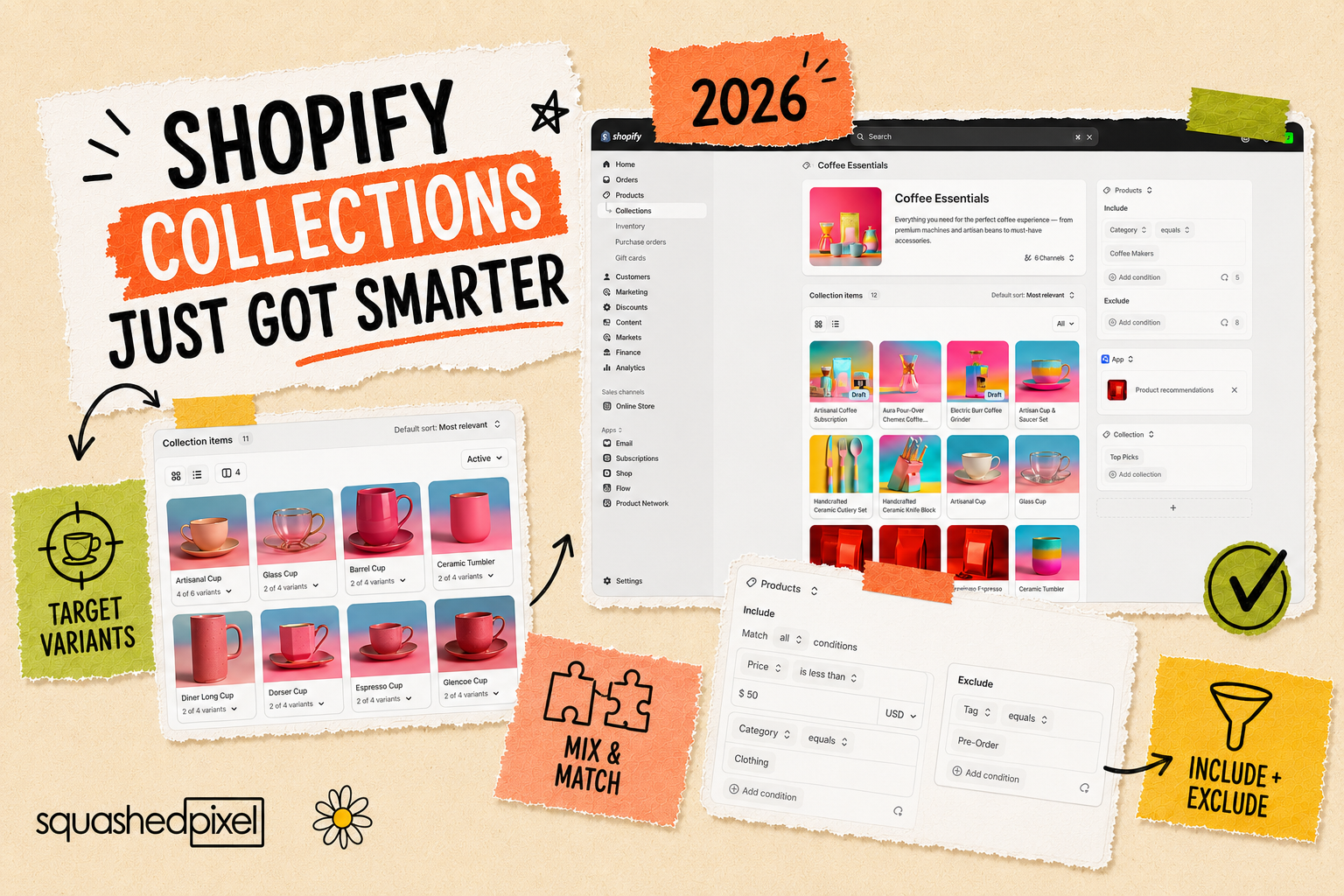
Shopify Collections Just Got a Major Upgrade
Shopify Collections have had a major upgrade, giving retailers more control over how products are organised, automated and presented. From variant-level targeting and manual exclusions to Sidekick assistance, here’s what’s changed and how it could improve your store’s merchandising.
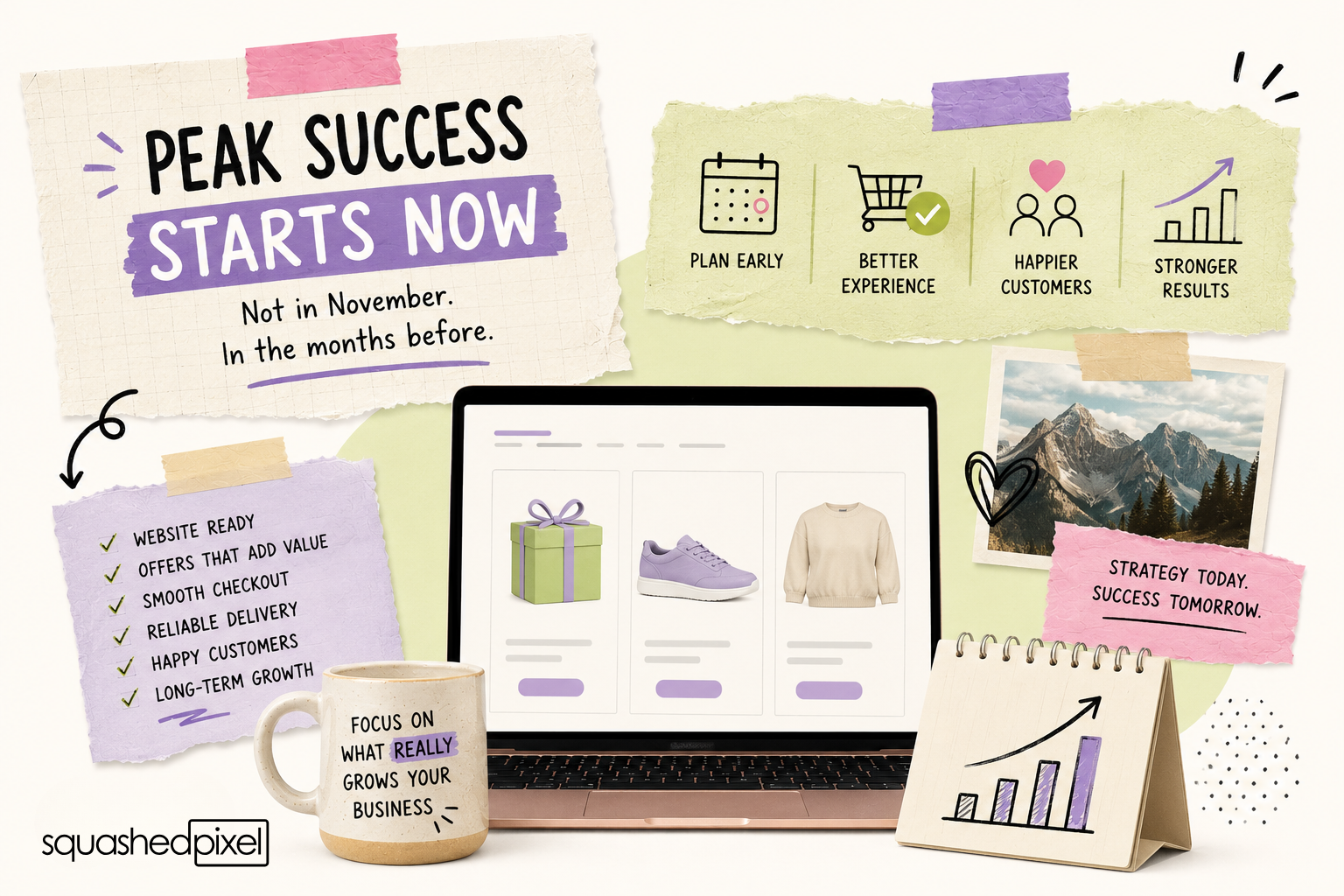
Peak Isn't Won in November. It's Won in the Months Before.
Most brands think Black Friday is won by bigger discounts. We think it's won much earlier than that. Discover why the best peak season results come from months of planning, hundreds of small improvements and a customer experience that's easier to buy from.