

Blog
Our blog shares ideas, insights and practical thinking from our work with growing ecommerce brands.
We write about Shopify strategy, conversion rate optimisation, ecommerce operations and the realities of scaling online businesses. Alongside practical guides and industry insights, we also share Shopify case studies from brands we’ve helped replatform, redesign and grow.
Whether you’re looking to improve your Shopify store, plan your next ecommerce move or simply think about growth differently, this is where we share what we’re learning.
CATEGORIES: All Articles | Shopify CRO | Shopify Migration | Shopify Insights | Ecommerce Growth | Shopify Case Studies

Is Your Newsletter Pop-Up Helping or Hurting Conversion?
Newsletter pop-ups are a great way to grow your email list, but could showing them too soon be hurting your Shopify store’s conversion rate? We explore what published research tells us about pop-up timing, sign-ups and customer behaviour, and what ecommerce brands should consider testing.
21 things to do to your Shopify store before Peak
Peak season is closer than it feels. Here are 21 practical things you can do to your Shopify site now to get ready for Black Friday and Christmas, from fixing your foundations in September to testing in October and selling smarter in November.

Why We Rate Zenstores
As Shopify brands grow, shipping can quickly become one of those problems nobody notices until it starts slowing everything down. We look at why we recommend Zenstores for simplifying fulfilment, automating repetitive tasks and giving growing ecommerce teams a bit more headspace.
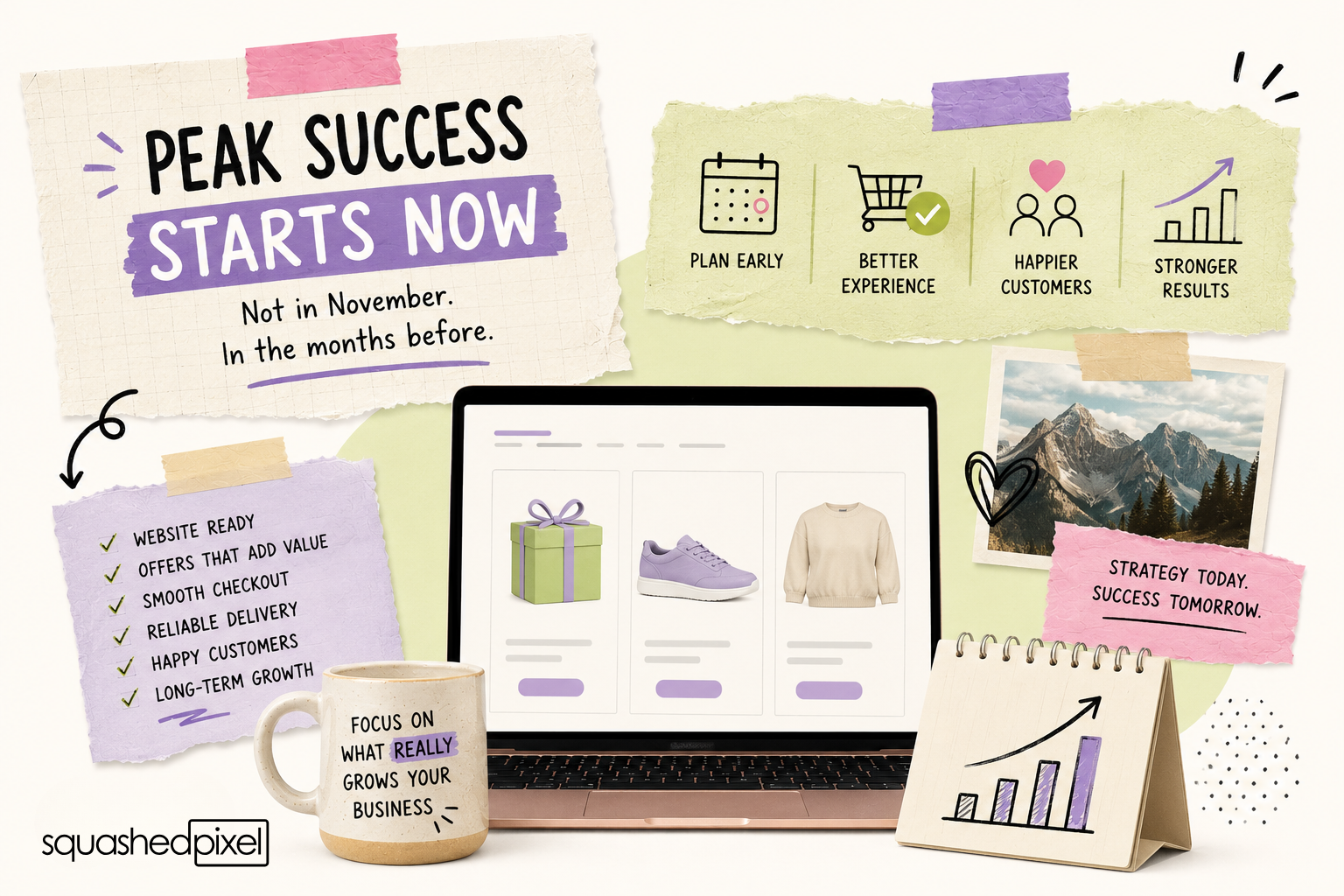
Peak Isn't Won in November. It's Won in the Months Before.
Most brands think Black Friday is won by bigger discounts. We think it's won much earlier than that. Discover why the best peak season results come from months of planning, hundreds of small improvements and a customer experience that's easier to buy from.
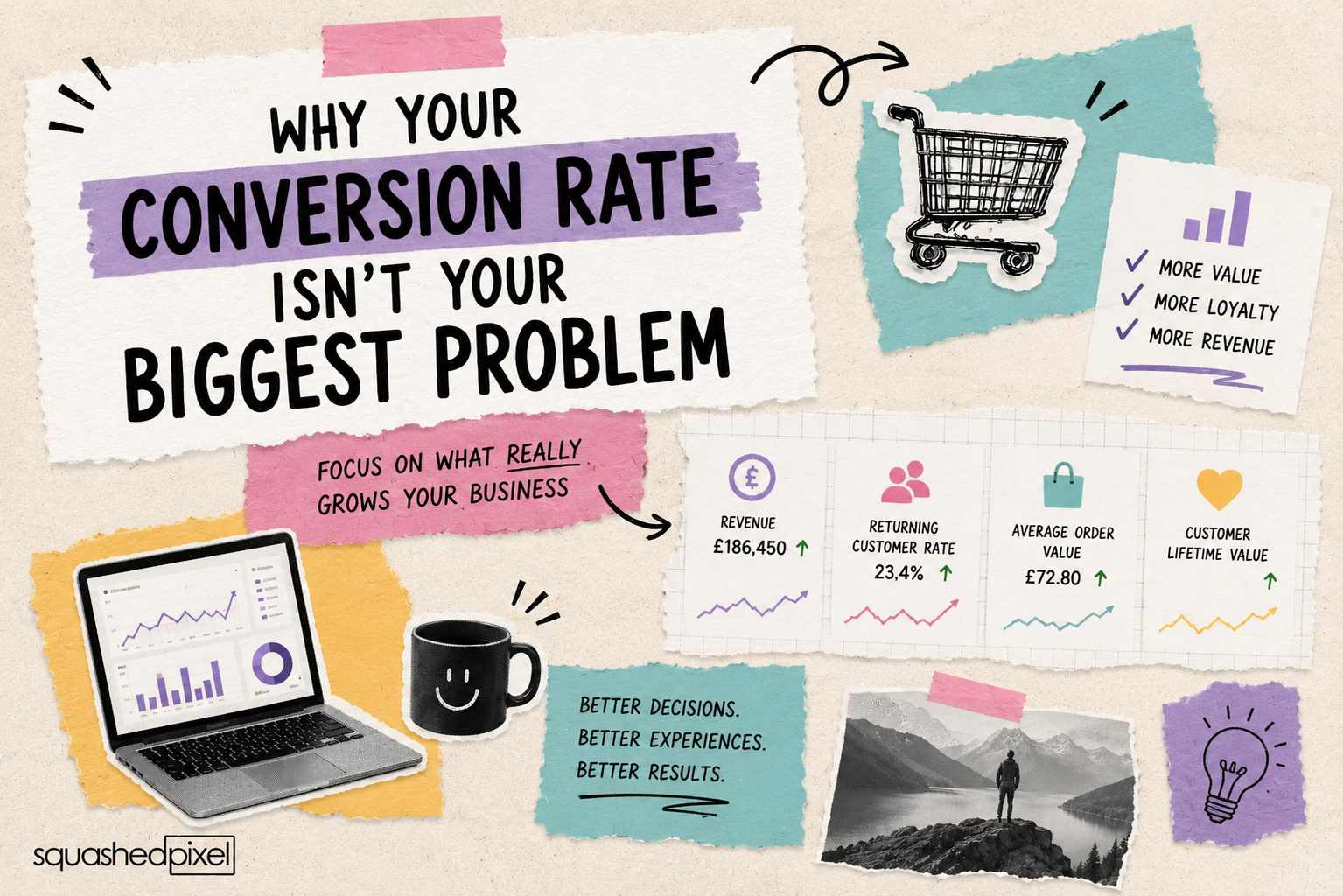
Why Your Conversion Rate Isn't Your Biggest Problem
Conversion rate matters, but it's rarely the biggest opportunity. Discover why the most successful ecommerce brands focus on customer experience, average order value and lifetime value to drive sustainable growth and the practical changes you can make to your own Shopify store.
Your Community Is a Growth Channel: How Ecommerce Brands Turn Loyalty Into Revenue
Most ecommerce brands think community means followers, engagement, or a discount popup. It doesn’t. Real community is when customers choose to stay connected to your brand between purchases. It’s what turns retention into revenue, referrals into organic growth, and customers into advocates. And as acquisition costs continue to rise, that shift is becoming commercially critical.

Pulse Summit 2026: Conviction Beats Complexity
We spent two days at Pulse eCommerce Summit 2026 hearing from some of the biggest names in retail and ecommerce and one theme came up again and again: The brands winning right now aren’t chasing complexity. From Hoodrich’s huge checkout consent growth, to Dr. Martens’ take on omnichannel, to the growing move away from discount-led ecommerce, here are our biggest takeaways.

When Data Becomes Noise
Modern ecommerce brands are drowning in dashboards. We’ve never had more ecommerce data available to us and yet many founders have never felt less certain. Dashboards promise clarity, but too often they create noise. In this Open Tabs series article, we explore why the best ecommerce brands don’t just follow the numbers blindly, they know when to step back, trust their instinct and focus on the signals that actually matter.
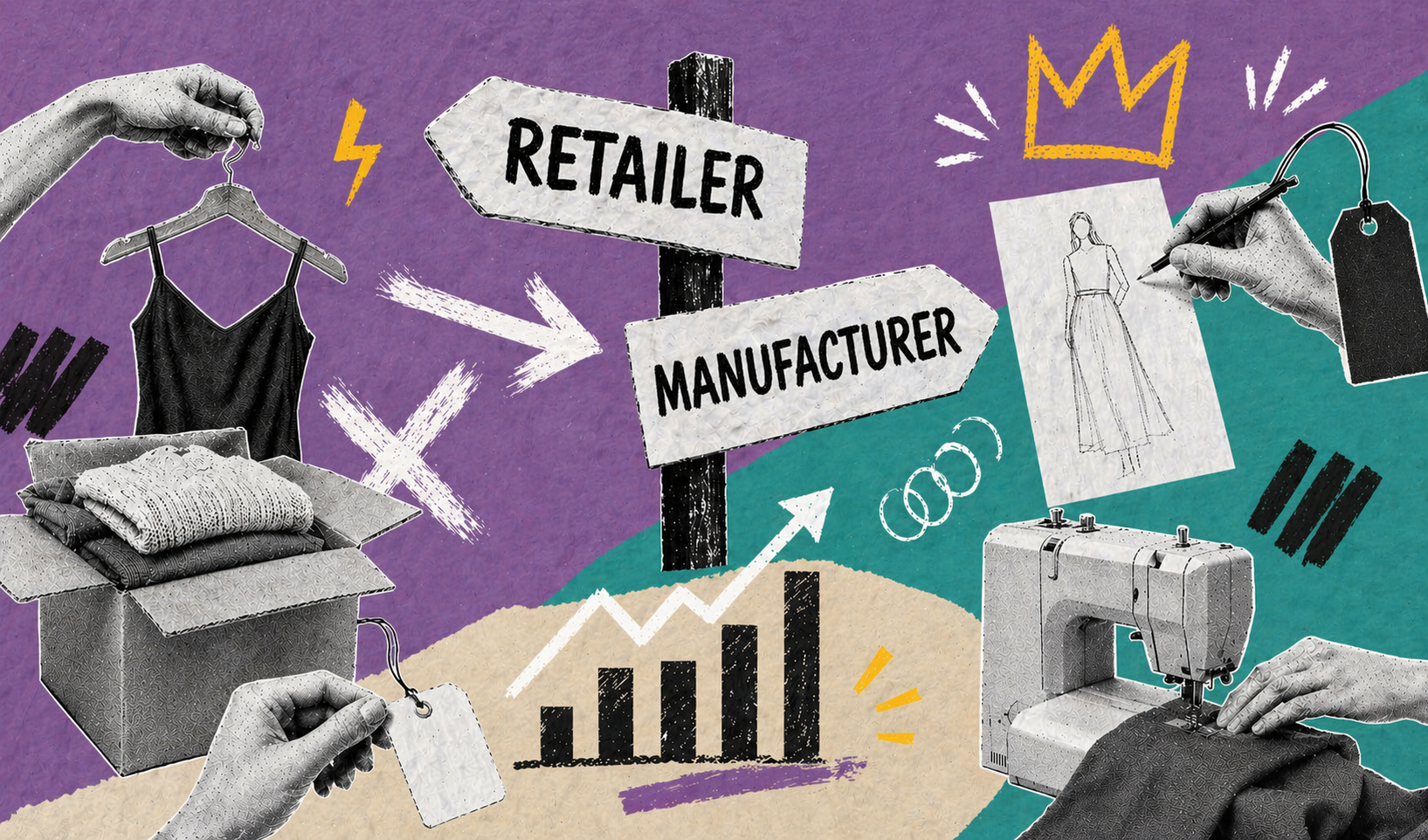
From Boutique Retailer to Manufacturer
Retail worked - until margins didn’t. Little Lies pivoted from boutique reseller to manufacturer, gaining control of pricing, product, and growth. Here’s what actually changed and what it takes to make it work.

A/B Testing for Shopify: Stop Guessing, Start Converting
Still guessing what will convert on your Shopify store? You’re leaving money on the table.
A/B testing turns gut instinct into real data, helping you understand what actually drives sales. And with AI now speeding up the process, it’s never been easier to test smarter and optimise faster.